

Building an SEO Funnel: Converting Search Traffic into Qualified Leads
Driving traffic through SEO is only the initial step in a much larger growth system. The real value lies in how effectively that traffic is guided toward meaningful business actions such as inquiries, sign-ups, or conversions. An SEO funnel provides a structured framework that aligns user intent, content strategy, and conversion optimization into a single system. Businesses that implement a well-defined funnel are able to transform passive visitors into engaged prospects, ensuring that every stage of the user journey contributes to measurable business outcomes rather than just traffic volume.
Understanding the SEO Funnel Structure
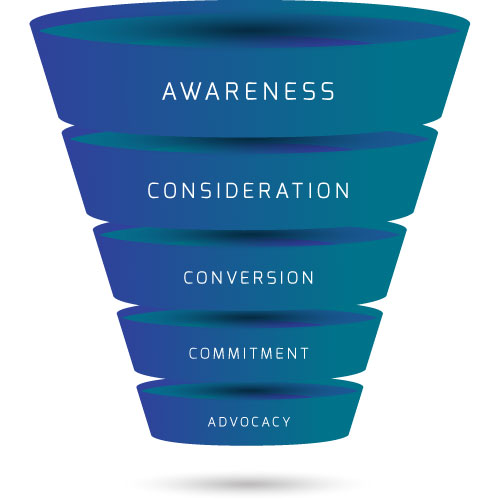
An SEO funnel is built around the concept of guiding users through different stages of intent, starting from awareness and moving toward decision-making. Each stage requires a specific type of content that aligns with what the user is searching for at that moment, ensuring relevance and engagement throughout the journey.
At the top of the funnel, informational content attracts users who are exploring topics and seeking general knowledge. As users move further, middle-stage content provides comparisons, insights, and deeper explanations, while bottom-stage content focuses on solutions, services, and direct conversion opportunities.
A clearly structured funnel ensures continuity between these stages, reducing drop-offs and guiding users logically from discovery to action. Without this structure, traffic remains unorganized and fails to contribute effectively to business growth.

Capturing High-Intent Traffic
The effectiveness of an SEO funnel depends heavily on the quality of traffic entering the system. Targeting high-intent keywords allows businesses to attract users who are actively searching for specific solutions rather than browsing casually.
Keyword selection should focus on search intent, ensuring alignment between user queries and the content being offered. This increases relevance, improves click-through rates, and enhances the likelihood of user engagement.
By prioritizing intent-driven traffic, businesses can reduce inefficiencies, focus on valuable visitors, and build a funnel that generates meaningful interactions rather than superficial metrics.

Optimizing Pages for Conversion
Traffic alone does not generate results unless it is supported by effective conversion optimization. Each page within the funnel must be designed to guide users toward a clear and specific action, minimizing confusion and friction.
This includes structured layouts, clear messaging, logical content flow, and strategically placed calls to action. These elements work together to help users understand the value being offered and encourage them to take the next step.
When pages are optimized for conversion, they create a seamless transition from interest to action, ensuring that traffic is effectively transformed into leads or customers.
Building Trust Throughout the Funnel
Trust plays a critical role in influencing user decisions, especially in competitive markets where multiple options are available. Establishing credibility at every stage of the funnel increases the likelihood of conversion.
Providing consistent, high-quality information, along with elements such as testimonials, case studies, and clear communication, helps reinforce reliability and reduce uncertainty for users.
A funnel that prioritizes trust not only improves conversions but also strengthens long-term relationships, leading to repeat engagement and sustained growth.

Core Funnel Elements
Intent-Based Keywords
Target users based on their position in the decision-making process.
Conversion Optimization
Structure pages to guide users toward clear and measurable actions.
Trust Signals
Build credibility through consistent messaging and user validation.
Scaling and Improving Funnel Performance
An SEO funnel requires continuous monitoring and refinement to maintain effectiveness over time. Changes in user behavior, competition, and search trends can impact how users interact with the funnel.
Tracking key performance metrics such as conversion rates, engagement levels, and user flow provides insights into strengths and areas that require optimization. These insights enable data-driven improvements.
Businesses that consistently refine their funnel strategy are able to improve efficiency, maximize return on traffic, and build a scalable system that supports long-term digital growth.
Leave a Reply