


Keyword Research Strategy: Targeting High-Intent Traffic for SEO Growth
Keyword research forms the foundation of any successful SEO strategy, determining how effectively a website connects with its target audience. Rather than focusing solely on search volume, modern keyword research emphasizes user intent, relevance, and conversion potential. Businesses that implement a structured keyword strategy are able to attract the right audience, improve search visibility, and build a scalable system that supports long-term digital growth.
Understanding Search Intent and User Behavior
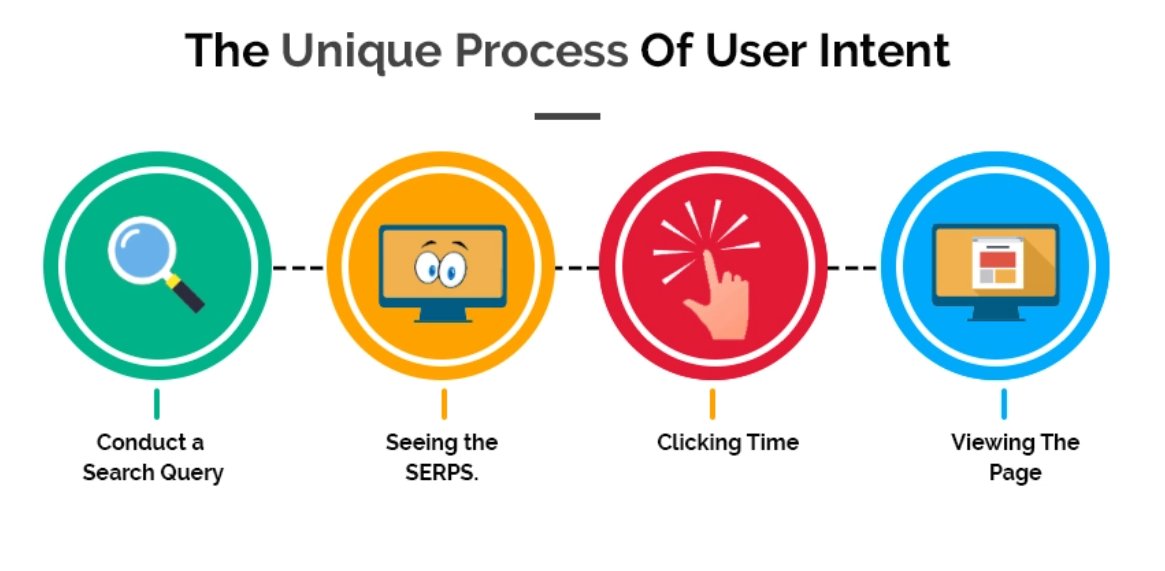
Search intent reflects the reason behind a user’s query and plays a critical role in determining how content should be structured. Users may be seeking information, comparing options, or looking to take immediate action, and each intent requires a different approach.
Identifying intent allows businesses to align their content with user expectations, ensuring that the information provided is relevant and valuable. This improves engagement and increases the likelihood of meaningful interactions.
By focusing on user behavior and intent, keyword research becomes more strategic, enabling businesses to target queries that contribute directly to growth rather than just traffic volume.
Identifying High-Value Keywords
High-value keywords are those that align closely with business goals and have the potential to drive conversions. These keywords typically reflect strong intent and indicate that users are actively searching for specific solutions.
The process involves analyzing search volume, competition, and relevance while prioritizing keywords that offer a balance between visibility and opportunity. Long-tail keywords often provide higher conversion potential due to their specificity.
Focusing on high-value keywords ensures that SEO efforts are directed toward attracting users who are more likely to engage and convert.

Structuring Keywords into a Content Strategy
Effective keyword research extends beyond identification and requires proper structuring into a cohesive content plan. Keywords should be grouped into topics, categories, and supporting clusters to create a logical content hierarchy.
This structure improves internal linking, enhances site organization, and allows search engines to better understand the relationships between different pages.
A well-organized keyword structure supports scalability, making it easier to expand content while maintaining consistency and relevance.
Balancing Competition and Opportunity
Not all keywords offer the same level of opportunity, and targeting highly competitive terms without a clear strategy can limit progress. It is important to balance high-volume keywords with less competitive alternatives that provide achievable entry points.
Analyzing competitor strategies and identifying gaps in the market helps uncover opportunities that may not be immediately obvious.
By maintaining this balance, businesses can build momentum over time and gradually compete for more competitive search terms.
Core Keyword Strategy Elements
Search Intent
Align keywords with user goals and expectations.
Keyword Clustering
Organize keywords into structured content groups.
Opportunity Analysis
Identify keywords with strong growth potential.
Continuous Keyword Optimization and Expansion
Keyword research is not a one-time activity and must be updated regularly to reflect changes in search behavior and market trends. New opportunities emerge as industries evolve and user needs shift.
Monitoring keyword performance, rankings, and traffic patterns provides insights into which strategies are effective and where adjustments are needed.
Businesses that continuously refine and expand their keyword strategy are able to maintain strong visibility, adapt to changing conditions, and achieve sustainable SEO growth.
Leave a Reply